
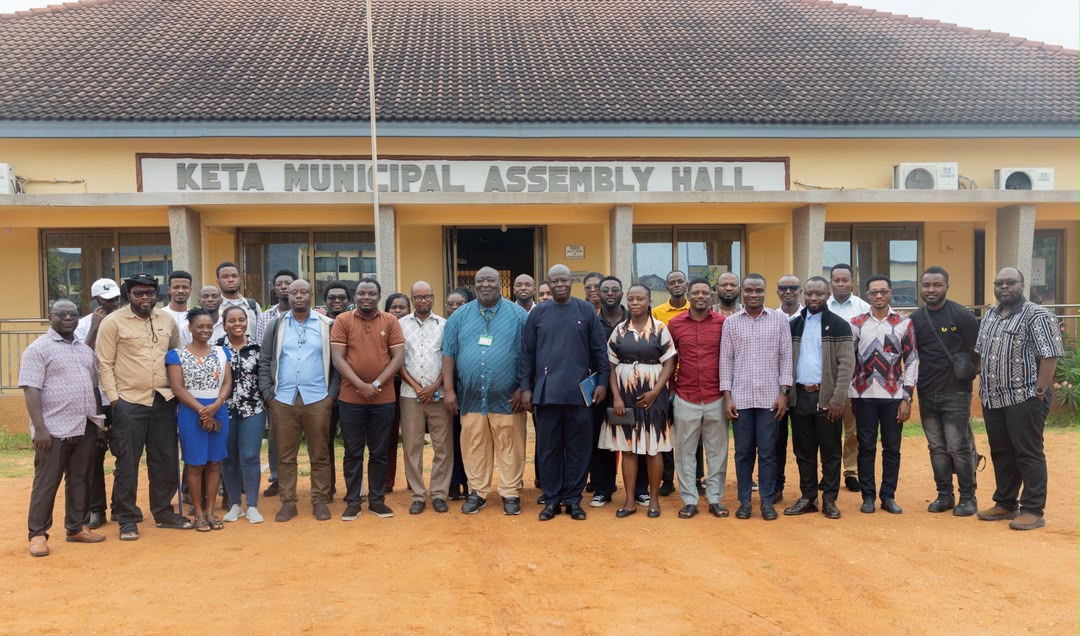
The West Africa Geophysics (WAGeo) Lab led by Dr. Cyril D. Boateng at the Department of Physics has successfully concluded activities under the ‘Protecting the Coast and Heritage of Keta Using Integrated Geophysical Methods (TIDEKIT)’ project, marking a significant step in advancing science-driven solutions for coastal resilience in Ghana.
Funded by the Office of Naval Research Global (ONRG), DEVCOM and US Army Corps of Engineers the multi-year initiative sought to better understand the growing threats of coastal erosion, flooding and saltwater intrusion along Ghana's eastern coastline while bridging the gap between scientific research, policy and community action.
Over the course of the project, researchers employed satellite analysis, drone photogrammetry, geophysical investigations and locally developed sensor technologies to assess the changing dynamics of the Keta coastline and develop evidence-based adaptation strategies.
Beyond scientific investigations, the project placed strong emphasis on stakeholder engagement and community participation.
As part of its dissemination activities, the TIDEKIT team engaged key government institutions, including the Ghana Meteorological Agency (GMet), Environmental Protection Agency (EPA), Water Resources Commission, National Disaster Management Organisation (NADMO), Ghana Navy, among others presenting findings and policy recommendations aimed at strengthening coastal management and disaster preparedness.
The project also engaged the Keta Municipal Assembly and Anloga District Assembly, highlighting the critical role of local governance in climate adaptation and resilience planning.
Recognizing the importance of traditional leadership in environmental stewardship, the team paid courtesy calls on traditional authorities, including Togbi James Ocloo V, Paramount Chief of Keta, and Togbi Haxormene IV of Tegbi to discuss the implications of the findings for livelihoods, heritage preservation and community resilience.
The dissemination activities further extended to educational institutions, including Fuveme Basic School, Zion College (ZICO) and Keta Senior High Technical School (KETASCO), where researchers engaged students on climate science, environmental stewardship and career opportunities in geoscience and coastal research.
One of the major outcomes of the project was the development of policy briefs, which have been handed over to key stakeholder institutions to support evidence-based decision-making and policy formulation.
The project additionally developed and deployed an Integrated Coastal Monitoring (ICM) system, designed to provide real-time environmental data to support early warning systems and improve preparedness among vulnerable coastal communities.
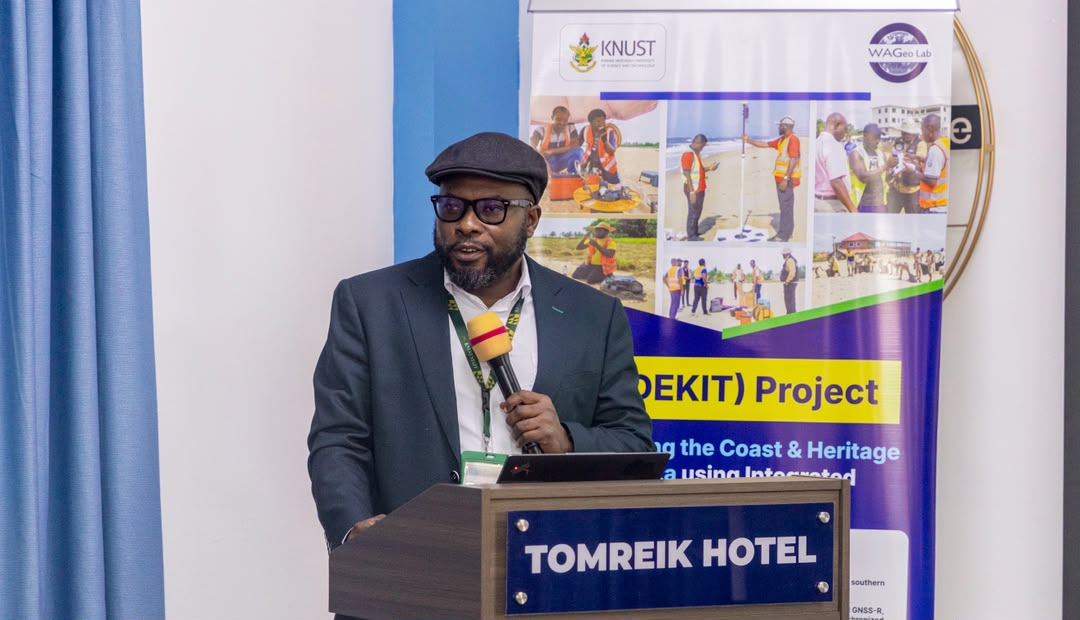
Speaking on the significance of the initiative, Principal Investigator, Dr Cyril Dziedzorm Boateng, emphasized that the project was designed not only to generate scientific knowledge but also to ensure that research translates into societal impact.
"Research must move beyond generating data. The evidence we produce must help communities, inform policy and contribute to practical solutions for coastal challenges," he stated.
Deputy Director-General for Operations at the Ghana Meteorological Agency, Dr Ignatius Quick-Williams, described the project as timely, noting that its monitoring innovations and emphasis on last-mile dissemination could significantly improve preparedness and resilience in coastal communities.
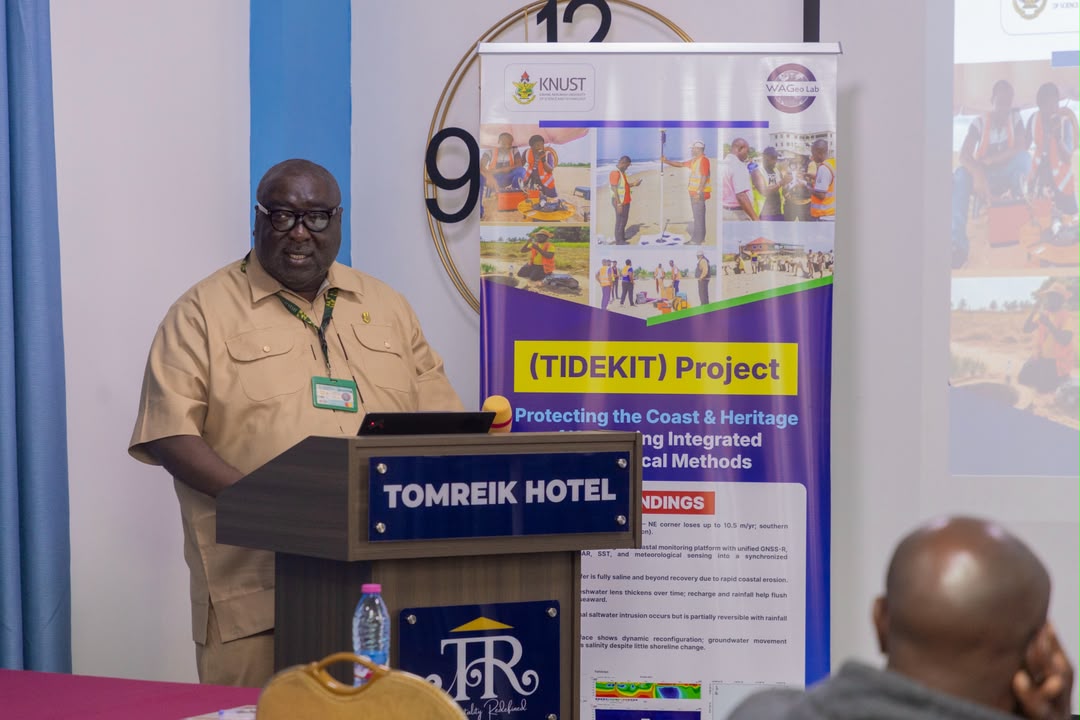
Professor Francis Kofi Ampong, Head of the Department of Physics, commended the TIDEKIT research team for demonstrating how interdisciplinary science can address pressing national challenges. He noted that the project reflects the Department's commitment to producing impactful research that extends beyond academia to influence policy and improve lives.
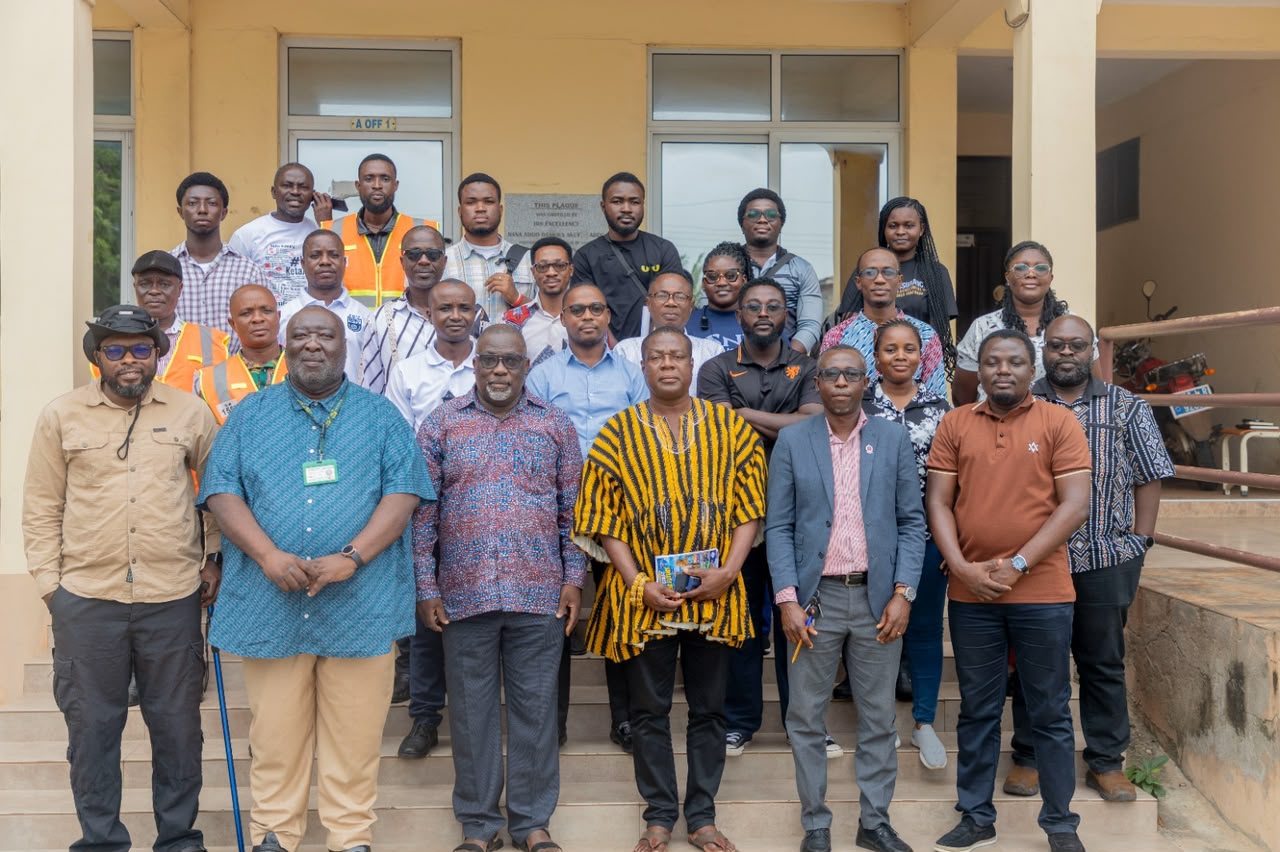
He further expressed confidence that the knowledge, technologies and partnerships established through TIDEKIT would serve as a strong foundation for future research and innovations aimed at strengthening Ghana's resilience to climate and environmental risks.
Building on the successes of the project, TIDEKIT and its key partners are expected to continue efforts towards expanding coastal monitoring systems, strengthening early warning mechanisms and supporting policies aimed at safeguarding lives, livelihoods and the rich cultural heritage of Ghana's coastal communities.
The TIDEKIT team also included Dr Michael Edem Kweku Donkor, Dr Akyana Britwum, Prof David Dotse Wemegah and Dr Nana Esi Aduku
Story and Photos by: Edith Asravor


